

Drones and Unmanned Aerial Vehicles (UAVs) are revolutionizing various industries worldwide, and Laos is no exception.
With rapid technological advancements and increasing accessibility, drones are finding applications in agriculture, infrastructure development, environmental conservation, and security in Laos.

However, regulatory frameworks and infrastructure challenges still pose significant hurdles.
This article explores the current state of drone usage in Laos, its applications, regulations, and market potential.
Agriculture is a key sector in Laos, employing a significant portion of the population.
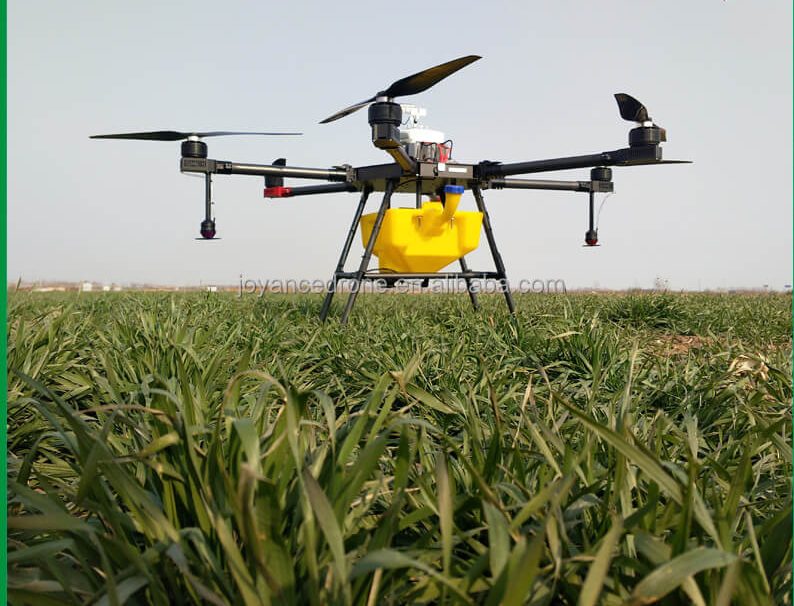
Drones are helping farmers improve productivity through precision agriculture.
Equipped with multispectral cameras and sensors, UAVs can monitor crop health, assess soil conditions, and optimize pesticide and fertilizer use.

This technology can significantly enhance yields and reduce resource wastage, making agriculture more efficient and sustainable.
Laos is undergoing significant infrastructure expansion, including road networks, bridges, and hydropower projects.
Drones play a crucial role in surveying and mapping construction sites.
They provide high-resolution aerial imagery, allowing engineers and planners to make informed decisions and monitor project progress with increased accuracy and efficiency.
As a country with rich biodiversity, Laos faces challenges in wildlife protection and forest conservation.
Drones are being utilized by environmental organizations to monitor deforestation, track illegal logging activities, and survey endangered species in remote regions.
This technology enables conservationists to collect critical data while minimizing human intervention in sensitive ecosystems.
Laos is vulnerable to natural disasters such as floods and landslides.
Drones assist in disaster preparedness and response by providing real-time aerial assessments of affected areas.

UAVs can be used to locate stranded individuals, assess structural damages, and deliver medical supplies to remote locations during emergencies.
Law enforcement agencies in Laos are beginning to explore drones for surveillance and security purposes.
UAVs enhance border patrol operations, monitor illegal activities, and improve crowd control during major events.

This application improves public safety while reducing operational costs compared to traditional manned surveillance methods.
As drone technology becomes more prevalent, governments worldwide are implementing regulations to ensure safe and responsible usage.

In Laos, the regulation of UAVs is still developing, and operators must adhere to various guidelines set by the government.
It is crucial for drone operators in Laos to stay updated with regulatory changes to ensure compliance and avoid legal complications.

The drone market in Laos is still in its early stages, presenting numerous opportunities for investment and innovation.
Several factors contribute to the growing potential of UAVs in the country:
Despite the promising market potential, several challenges need to be addressed to facilitate the widespread adoption of drones in Laos:
Drones and UAVs have immense potential to transform industries in Laos, from agriculture and infrastructure to security and conservation.

While regulatory challenges and infrastructure limitations persist, the benefits of drone technology far outweigh the obstacles.
With proper government support, investments in training, and technological advancements, Laos can harness the power of UAVs to drive economic growth and innovation.
As the market continues to evolve, businesses, researchers, and policymakers must collaborate to ensure that drones are integrated safely and efficiently into Lao society.
By embracing this technology, Laos can position itself as a regional leader in drone applications and innovation.
Yes, drones are legal in Laos, but their use is regulated.
Operators must obtain permission from the Department of Civil Aviation (DCA) for commercial and certain recreational uses.
Unauthorized drone flights can result in fines or confiscation.

Yes, a permit is required for most drone operations, especially for commercial use, aerial photography, and flights near sensitive areas.
It is advisable to check with local authorities before flying.
Drones are widely used in Laos for agriculture (crop monitoring, pesticide spraying), infrastructure inspection, environmental conservation, disaster management, surveillance, and tourism photography.

Tourists can fly drones, but they must follow local regulations.
It is recommended to seek approval from the DCA, avoid restricted areas, and respect privacy laws.
Unauthorized drone flights can lead to fines, confiscation, or even legal action, particularly if the drone is flown near government buildings, military zones, or sensitive locations.

Yes, drones are restricted from flying near military bases, government buildings, airports, and culturally significant sites like temples. Always check for local restrictions before flying.
The drone industry in Laos has significant potential, especially in agriculture, logistics, and environmental monitoring. With proper regulations and investments, UAV technology could enhance various sectors of the economy.
Farmers and agricultural companies use drones for crop monitoring, precision spraying, land surveying, and irrigation management, helping improve productivity and efficiency.
Drone delivery is still in its early stages in Laos. While the technology holds promise for delivering medical supplies and goods to remote areas, regulatory and logistical challenges remain.
Drones can be purchased from tech stores in major cities like Vientiane or online marketplaces.
However, ensure that the drone model complies with Laotian regulations before purchase.
Would you like me to add or modify any questions?

Join EcoXplus.com Newsletter to get more information of different Industrial Drone & UAV in China.


